

-
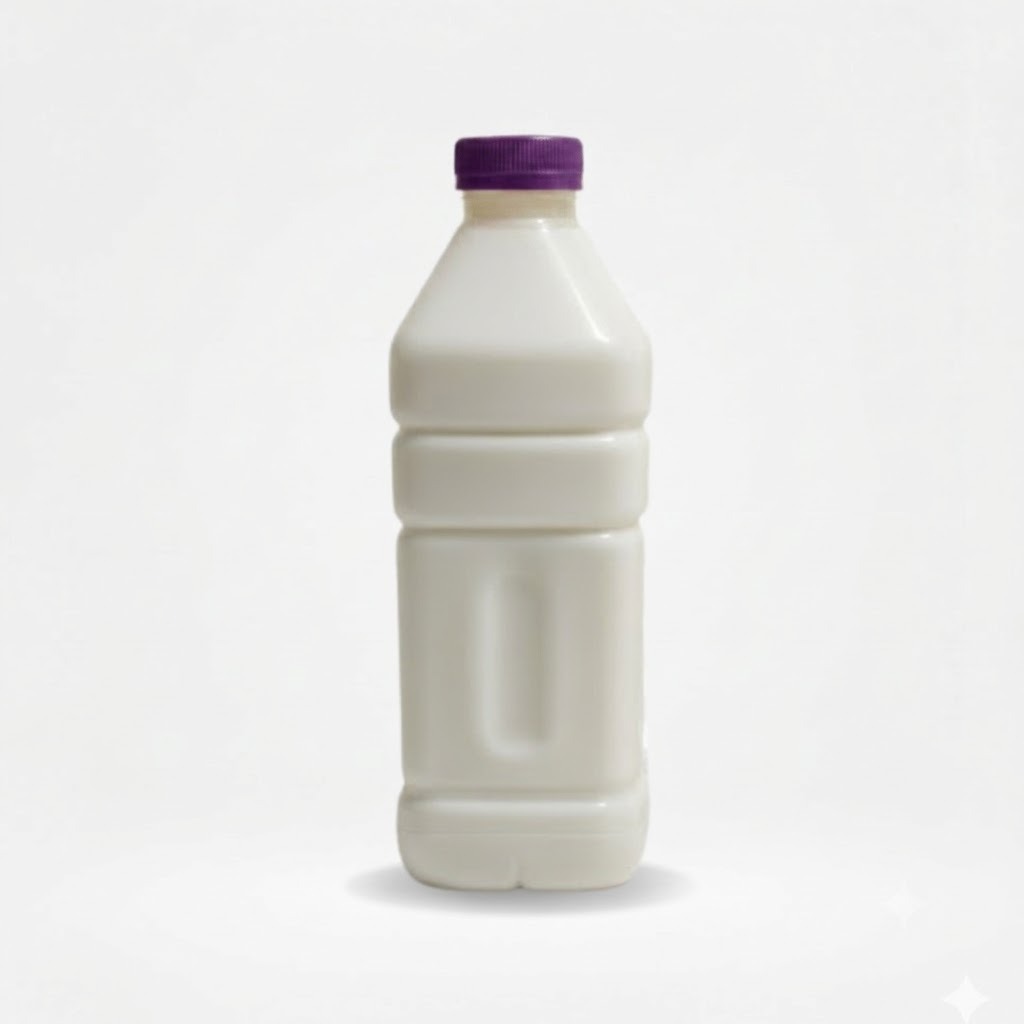
Fresh camel milk has been consumed for centuries in regions of the Middle East, Africa, and South Asia. Today, it is gaining attention as an alternative to cow’s milk because of its distinctive taste and nutritional profile. It can be enjoyed as a beverage or used in a variety of traditional foods and drinks.
What Is Fresh Camel Milk?
Fresh camel milk is milk obtained from lactating camels and consumed shortly after milking. It is generally thinner and slightly saltier than cow’s milk, with a mildly sweet and distinctive flavor.
Its nutritional composition can vary depending on factors such as the camel’s breed, diet, age, stage of lactation, and climate.
Nutritional Value of Camel Milk
Camel milk provides several important nutrients. It typically contains:
-
Protein: Provides amino acids needed for tissue growth and repair.
-
Fat: Supplies energy and contributes to the milk’s texture and flavor.
-
Calcium: Important for maintaining healthy bones and teeth.
-
Potassium: Supports normal muscle and nerve function.
-
Magnesium: Involved in numerous metabolic processes.
-
Vitamin B12: Helps support normal red blood cell formation and nervous-system function.
-
Vitamin C: Camel milk can contain more vitamin C than conventional cow’s milk.
-
Other micronutrients: The exact amounts depend on the milk and production conditions.
Because its composition varies considerably, nutrition labels or laboratory analysis are the best way to determine the precise nutritional value of a particular product.
Potential Benefits of Fresh Camel Milk
1. Provides Essential Nutrients
Camel milk can be part of a balanced diet by supplying protein, minerals, vitamins, and energy. For people who enjoy dairy products, it can provide nutritional variety alongside other foods.
2. Contains Beneficial Proteins
Camel milk contains several proteins and bioactive compounds that have attracted scientific interest. Some laboratory and animal studies have investigated their potential biological effects, although these findings should not be interpreted as proof that drinking camel milk treats or a different protein composition from cow’s milk. Some people who have difficulty tolerating cow’s milk report that camel milk is easier for prevents diseases in humans.
3. May Be an Alternative for Some People Sensitive to Cow’s Milk
Camel milk has a different protein composition from cow’s milk. Some people who have difficulty tolerating cow’s milk report that camel milk is easier for them to consume.
However, camel milk is not automatically safe for people with milk allergies. Anyone with a known dairy allergy should consult a healthcare professional before trying it.
4. Supports Bone and Teeth Health
The calcium and phosphorus naturally found in camel milk contribute to normal bone and tooth maintenance. Including camel milk as part of an overall nutritious diet can help increase dietary mineral intake.
5. Contains Antioxidant Compounds
Camel milk contains compounds with antioxidant activity. Antioxidants help protect cells from oxidative damage, although the presence of antioxidant compounds does not mean camel milk is a treatment for a specific health condition.
Traditional Uses of Camel Milk
Fresh camel milk is traditionally consumed in many forms. Common uses include:
-
Drinking it fresh
-
Serving it chilled
-
Adding it to tea or coffee
-
Making fermented milk products
-
Preparing traditional beverages
-
Using it in desserts and other recipes
-
Processing it into cheese or other dairy products
In some communities, camel milk is also an important source of nutrition for people living in dry or semi-arid regions where camel husbandry is common.
Fresh vs. Pasteurized Camel Milk
One important consideration is whether camel milk is consumed raw or pasteurized.
Raw camel milk can contain harmful microorganisms, particularly if it is collected, transported, or stored under poor hygienic conditions. Pasteurization reduces the risk associated with pathogens while preserving most of the milk’s nutritional value.
For children, older adults, pregnant people, and anyone with a weakened immune system, consuming properly pasteurized milk is particularly important.
How to Store Fresh Camel Milk
Fresh milk is highly perishable and should be handled carefully.
-
Refrigerate it promptly after collection.
-
Keep it in a clean, sealed container.
-
Avoid leaving it at room temperature for extended periods.
-
Follow the storage instructions provided by the producer.
-
If the milk develops an unusual smell, appearance, or taste, discard it.
If you purchase camel milk from a local producer, ask about milking hygiene, refrigeration, and whether the milk has been pasteurized.
Does Camel Milk Have a Strong Taste?
Camel milk generally has a distinctive flavor that can be described as mildly sweet, creamy, and somewhat salty accustomed to cow’s milk may notice the difference immediately, but many consumers enjoy its. The taste can vary depending on the camel’s diet, breed, season, and freshness of the milk.
People accustomed to cow’s milk may notice the difference immediately, but many consumers enjoy its unique flavor.
Is Camel Milk Suitable for Everyone?
Camel milk can be a nutritious food for many people, but it is not a universal replacement for other types of milk.
People with milk allergies, lactose intolerance, or other dietary restrictions should consider their individual needs before consuming it. Camel milk still contains lactose, although its amount and composition differ from cow’s milk.
It is also important not to rely on camel milk as a treatment for diabetes, autism, infections, or other medical conditions. Research into potential health effects continues, and promising laboratory or-rich traditional food with a distinctive taste and a growing presence in modern dairy markets identified several potentially interesting properties of camel milk, more human research is needed before specific therapeutic claims can be established preliminary findings do not necessarily establish clinical benefits.
Conclusion
Fresh camel milk is a nutrient-rich traditional food with a distinctive taste and a growing presence in modern dairy markets. It provides protein, minerals, vitamins, and other naturally occurring compounds, making it an interesting addition to a balanced diet.
For everyday consumption, proper hygiene, refrigeration, and pasteurization are important considerations. While research has identified several potentially interesting properties of camel milk, more human research is needed before specific therapeutic claims can be established.
Overall, camel milk is best viewed as a nutritious dairy option rather than a substitute for medical treatment or a cure for disease.
-